When Facial Pain Takes Over Your Life: Understanding Trigeminal Neuralgia Treatment in Pune
Picture this: You're about to take a sip of your morning tea, and suddenly, a lightning bolt of pain shoots through your face. Or maybe you're brushing your teeth, and the slightest touch triggers an electric shock sensation so intense that you drop everything. For thousands of people living with trigeminal neuralgia, this isn't just imagination—it's their daily reality.
This condition, sometimes referred to as the "suicide disease" because of its unbearable intensity, affects the trigeminal nerve—one of the most complex nerve structures in your face. The pain episodes can last anywhere from a few seconds to several minutes, but the fear of triggering another attack? That stays with you constantly.
A Public Face on Private Suffering
Disclaimer: Information regarding Salman Khan's medical condition has been sourced from a Times of India news report published on September 30, 2025. We are referencing this solely for educational awareness and do not authenticate or claim responsibility for the accuracy of this information.
When Bollywood actor Salman Khan recently spoke about his experience with trigeminal neuralgia, he put words to what many sufferers already knew: "You would not want your biggest enemy to have that pain." According to the Times of India report, he underwent an extensive eight-hour surgical procedure to address this condition.
His willingness to discuss such a personal medical struggle has opened conversations across India. Many people who've been suffering in silence are now realizing their facial pain has a name, and more importantly, that treatment options exist.
But here's what often gets lost in these conversations: while some patients may need major surgery, there are advanced, less invasive treatments available today that can provide significant relief without the extended recovery times.
What's Really Happening Inside Your Face?
The trigeminal nerve is like a three-branched highway of sensation covering your face. When something goes wrong—whether it's compression from a blood vessel, nerve damage, or other causes—this highway starts sending pain signals that feel like electrical shocks.
Most people with trigeminal neuralgia describe the pain as:
- Sharp, stabbing jolts that come out of nowhere
- Electric shock-like sensations on one side of the face
- Pain triggered by everyday actions: eating, talking, smiling, washing your face
- Episodes that can strike multiple times a day
The psychological toll is immense. Patients often stop socializing, struggle to eat properly, and live in constant fear of the next attack. It's not just about managing pain—it's about reclaiming your life
The Challenge with Long-Term Medication
Initially, doctors typically prescribe anticonvulsant medications. And yes, these can help for a while. But over time, many patients run into problems:
The medications lose their effectiveness as your body adapts. Side effects like drowsiness, confusion, and dizziness start interfering with daily life. You find yourself needing higher doses just to get the same level of relief you had initially. Some people can't tolerate the medications at all.
This is where interventional pain management comes into the picture.
Research-Backed Evidence: What Major Institutions Are Discovering
Leading medical research institutions worldwide have been studying trigeminal neuralgia treatments extensively, and their findings offer real hope for patients.
National Institutes of Health (NIH) Research
The NIH has published extensive research on radiofrequency ablation through its PubMed Central database. One significant narrative review published in PMC examined the role of radiofrequency ablation in treating trigeminal neuralgia, analyzing multiple clinical studies and treatment outcomes.
A randomized, double-blind, sham-controlled clinical trial published in PubMed evaluated percutaneous radiofrequency ablation for trigeminal neuralgia management, providing controlled evidence of its effectiveness. This level of rigorous research—with sham controls and randomized design—represents the gold standard in medical evidence.
Another comprehensive systematic review and meta-analysis examined the therapeutic efficacy and safety of radiofrequency ablation for trigeminal neuralgia treatment, synthesizing data from multiple studies to provide a broader understanding of treatment outcomes.
Perhaps most compelling is a meta-analysis published in the journal Neurology (April 2025) that comprehensively evaluated studies on RFA in treating trigeminal neuralgia from 1998 to 2023—that's 25 years of accumulated clinical data showing that radiofrequency ablation provides excellent pain relief for patients who haven't benefited adequately from standard therapies.
Johns Hopkins Medicine – Leading the Way
Johns Hopkins has established one of the most respected Trigeminal Neuralgia Surgery Centers in the United States. Their dedicated research program explores multiple aspects of trigeminal neuralgia, from pain mechanisms to treatment outcomes.
The Johns Hopkins research initiative focuses on several key areas including microvascular decompression outcomes, pain and quality of life after procedures, imaging of the trigeminal nerve, rhizotomy results, and the molecular mechanisms underlying trigeminal neuralgia.
What's particularly noteworthy is their research on emerging interventions (published March 2022) that examines how the field is evolving beyond traditional approaches. Their multidisciplinary team approach combines neurology, neurosurgery, and pain management expertise to provide comprehensive care.
A fascinating historical perspective: Johns Hopkins has been at the forefront of trigeminal neuralgia treatment since the early 1900s. A review of Harvey Cushing's surgical cases at Johns Hopkins from 1896-1912 uncovered 123 trigeminal neuralgia patients—showing over a century of dedicated research and treatment development at this institution.
Mayo Clinic's Comprehensive Approach
Mayo Clinic's trigeminal neuralgia program takes a multidisciplinary approach, combining medical management with interventional procedures and surgical options. Their research focuses on optimizing patient outcomes and quality of life improvements.
The Mayo Clinic care model emphasizes personalized treatment planning—recognizing that what works for one patient may not be optimal for another. Their specialists collaborate across departments to determine the best approach for each individual case.
How Radiofrequency Ablation Actually Works
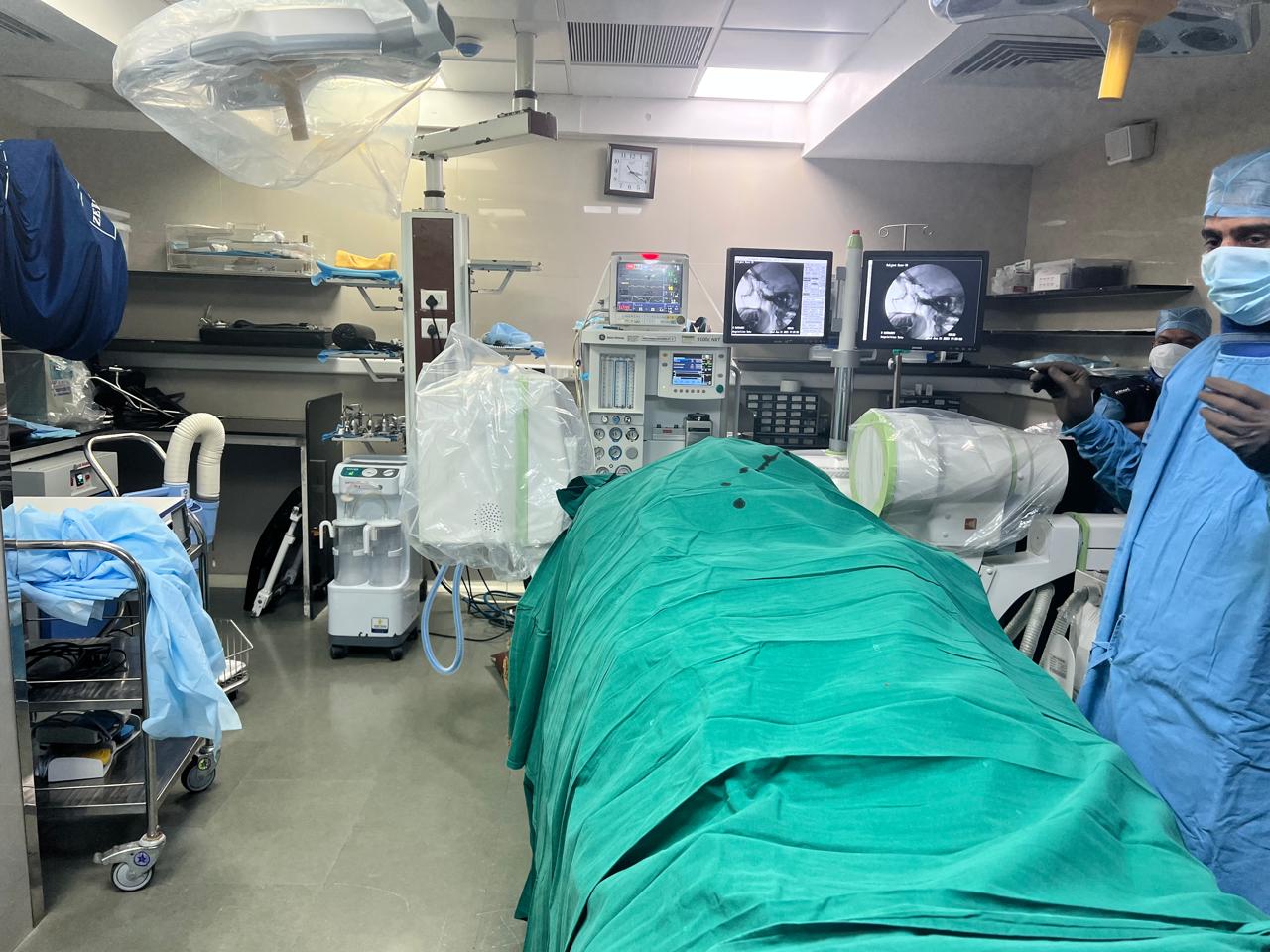
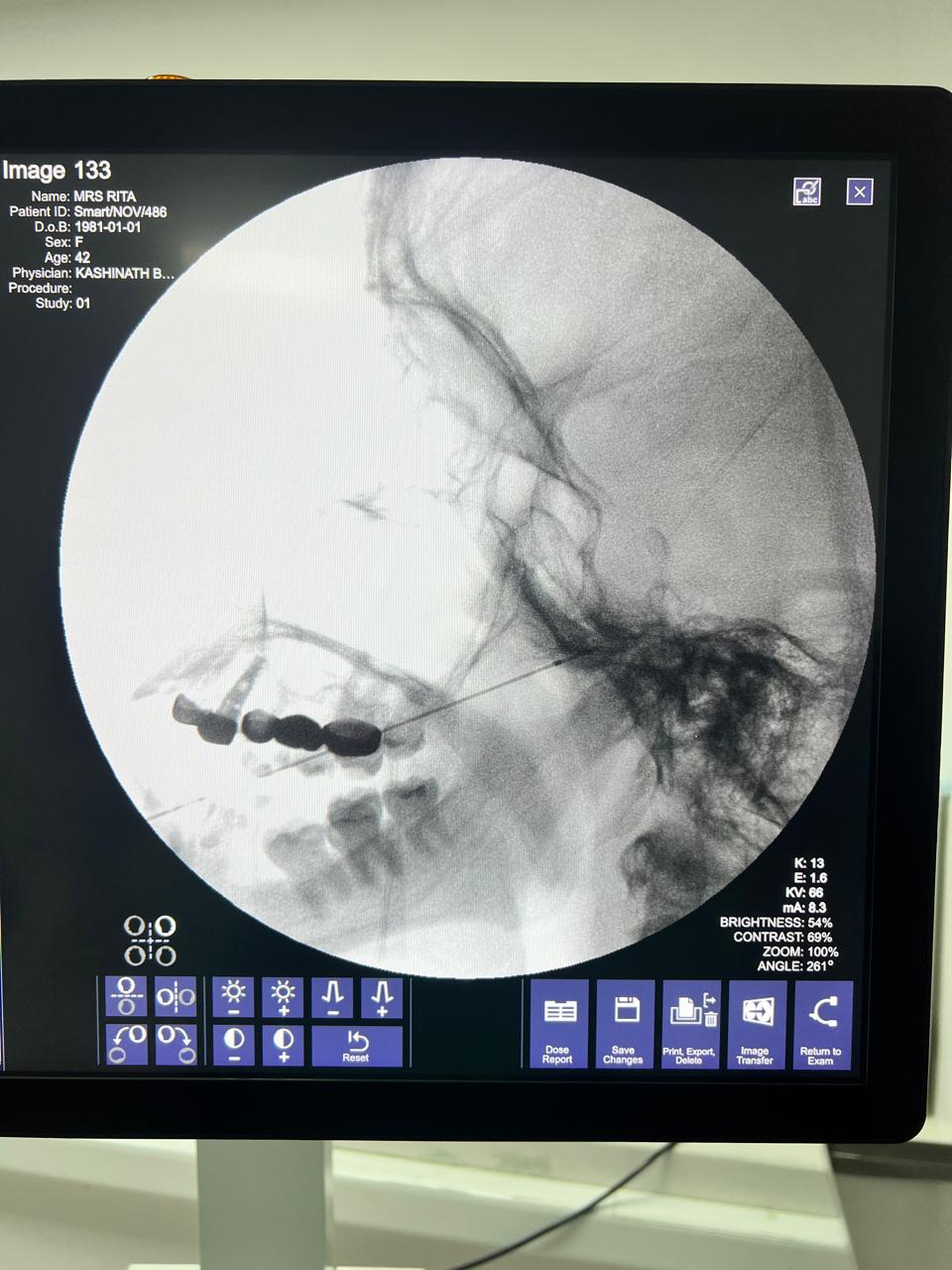
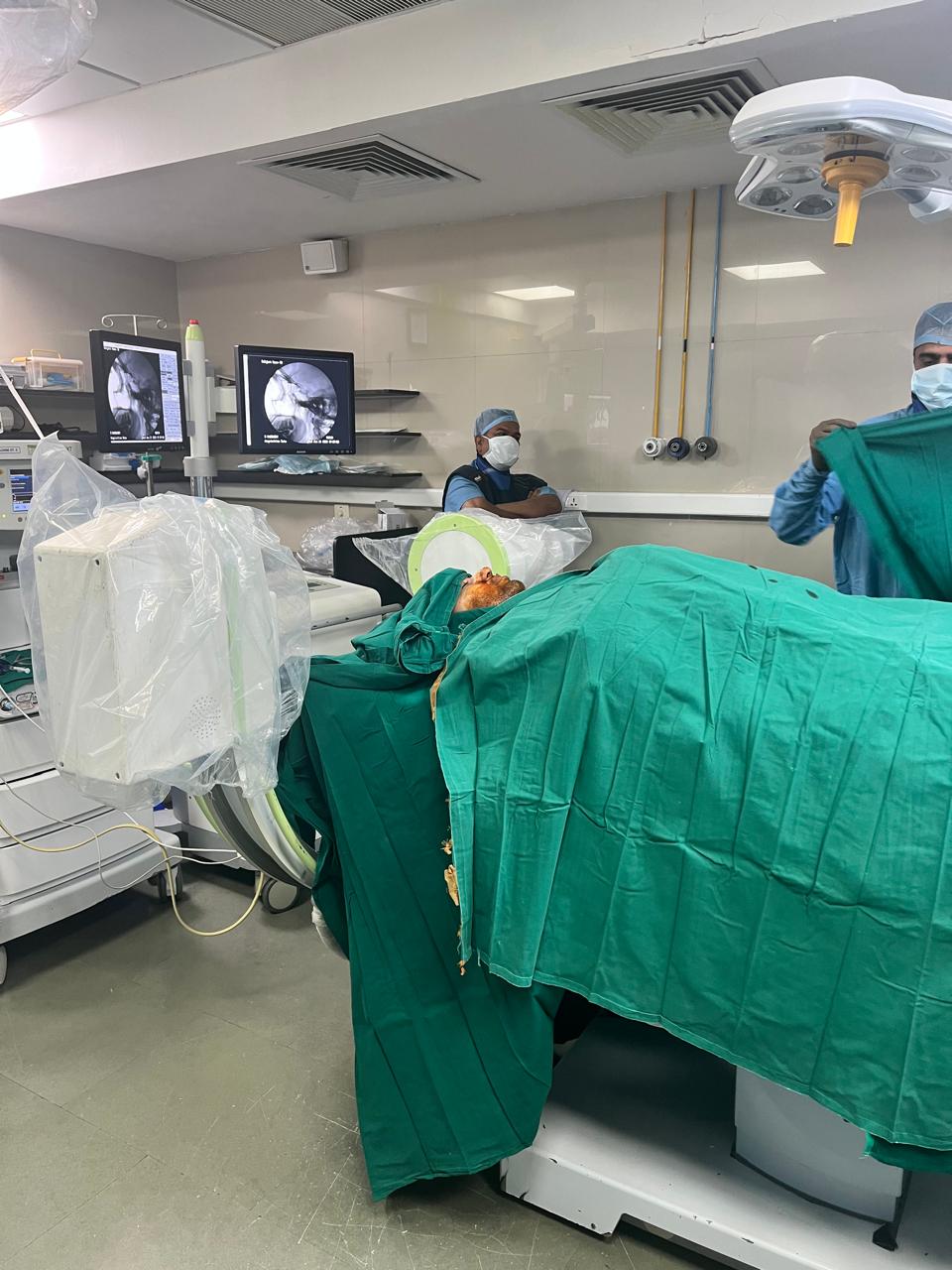
Think of radiofrequency ablation as a highly targeted intervention. Using real-time X-ray guidance (fluoroscopy), a specialized needle electrode is carefully positioned near the affected portion of the trigeminal nerve. Then, controlled radiofrequency energy is applied to interrupt those overactive pain signals.
The entire procedure typically takes less than an hour. Most patients go home the same day. There's no major incision, no lengthy hospital stay, and recovery usually happens within days rather than weeks or months.
Research published in the systematic reviews cited above has shown that the procedure achieves significant pain reduction in the majority of patients, with many experiencing relief lasting from several months to years. And here's an important point: if pain does eventually return, the procedure can be safely repeated.
Real Benefits That Matter to Patients
Based on published clinical trials and outcomes research from NIH, Johns Hopkins, and other leading institutions, patients who undergo radiofrequency ablation often experience:
- Immediate impact: Many people notice substantial pain reduction within days of the procedure.
- Medication reduction: A significant number of patients can decrease or even eliminate their pain medications, which means fewer side effects and better quality of life.
- Quick return to normalcy: Unlike major surgery, most people resume their regular activities within a few days.
- Targeted treatment: The procedure specifically addresses the affected nerve branches without impacting other facial functions.
- Safety profile: Published studies indicate a favorable safety profile when performed by experienced interventional pain specialists.
Beyond One-Size-Fits-All Treatment
Here's what makes modern pain management different: it's not about pushing everyone toward the same solution. At The Painex Clinic in Pune, the approach starts with understanding your specific situation.
How severe is your pain? Which nerve branches are affected? What's your overall health status? Have you tried medications, and if so, how did you respond? Are there other medical conditions we need to consider?
These questions matter because the goal isn't just to reduce pain temporarily—it's to find a sustainable solution that fits your life.
Why Location Matters When Seeking Treatment
If you're in Pune, Pimpri-Chinchwad, or surrounding areas of Maharashtra, access to specialized interventional pain management has improved significantly in recent years. You don't need to travel to metros like Mumbai or Delhi for advanced treatment options.
The Painex Clinic, located in Nigdi, offers:
- Interventional pain specialists with experience in radiofrequency ablation techniques
- Fluoroscopy-guided procedures for precision and safety
- Comprehensive evaluation to determine the most appropriate treatment approach
- Post-procedure care and long-term pain management planning
- Convenient access for patients across Pune and Pimpri-Chinchwad areas
When Should You Actually Seek Help?
Many people wait far too long before seeking specialized care. They keep adjusting medications, limiting their activities, and accepting a diminished quality of life. But here's the reality: early intervention can prevent the condition from worsening and help you avoid unnecessary suffering.
Consider consulting a facial pain specialist in Pune if:
- Your medications aren't providing adequate relief anymore
- Side effects from drugs are affecting your daily functioning
- Pain episodes are becoming more frequent or intense
- You're avoiding normal activities due to fear of triggering pain
- Your quality of life has significantly declined
What to Expect During Your First Visit
The consultation process typically involves a detailed discussion about your pain pattern, a review of previous treatments, and possibly some diagnostic imaging. The goal is to understand the complete picture of your condition.
You'll discuss various treatment options, including their benefits and limitations. If radiofrequency ablation seems appropriate, you'll learn exactly what the procedure involves, what to expect during recovery, and what kind of follow-up care you'll need. This collaborative approach ensures you're making informed decisions about your treatment.
Living Beyond the Pain
One of the most profound changes patients describe after successful treatment isn't just the absence of pain—it's the absence of fear. The fear of taking a bite of food. The fear of someone accidentally touching your face. The fear of your next attack.
Recovery means different things to different people. For some, it's being able to enjoy meals with family again. For others, it's returning to work without constant worry. For many, it's simply being able to smile without triggering excruciating pain.
Questions People Actually Ask
Q) Will I need to stay in the hospital? Most radiofrequency ablation procedures are performed on an outpatient basis. You typically go home the same day. Q) What if the pain comes back? Research shows that many patients experience long-lasting relief, but if pain does recur, the procedure can be safely repeated. Your pain specialist will discuss a long-term management plan with you. Q) How do I know if I'm a good candidate? That's determined during your consultation. Most people with trigeminal neuralgia can benefit from this treatment, but a thorough evaluation helps identify the best approach for your specific situation. Q) What about recovery time? Most people return to normal activities within several days. You'll receive specific guidance based on your procedure. Q) Can I reduce my medications? Many patients are able to decrease or discontinue pain medications after successful treatment, though this should always be done under medical supervision.
Taking the Next Step
Living with severe facial pain doesn't have to be your permanent reality. The combination of advanced minimally invasive procedures, experienced specialists, and comprehensive care approaches means effective treatment is more accessible than ever.
If you're in Pune or the surrounding areas and dealing with trigeminal neuralgia or severe facial pain, know that specialized help is available locally.
Connect with The Painex Clinic
The Painex Clinic
Gandhi Nursing Home
Plot 102, Bhosale Road, Sector 24
Pradhikaran, Nigdi
Pimpri-Chinchwad, Pune 411044
Maharashtra, India
Research References and Further Reading
For those interested in the scientific evidence behind trigeminal neuralgia treatments, here are key research sources:
National Institutes of Health (NIH) Research:
The Role of Radiofrequency Ablation in Trigeminal Neuralgia: A Narrative Review - PMC
Treatment of Trigeminal Neuralgia: Role of Radiofrequency Ablation - PMC
Percutaneous Radiofrequency Ablation for Trigeminal Neuralgia: Randomized Controlled Trial - PubMed
The Role of RFA in Trigeminal Neuralgia: Meta-analysis - Neurology Journal
Therapeutic Efficacy and Safety of RFA: Systematic Review and Meta-analysis - PubMed
Johns Hopkins Medicine Research:
Johns Hopkins Trigeminal Neuralgia Surgery Center
Johns Hopkins Trigeminal Neuralgia Research Program
Trigeminal Neuralgia: Current Approaches and Emerging Interventions - Johns Hopkins University
Harvey Cushing's Historic Case Series at Johns Hopkins - PubMed
Mayo Clinic Resources:
Trigeminal Neuralgia: Symptoms and Causes - Mayo Clinic
Trigeminal Neuralgia: Care at Mayo Clinic
Trigeminal Neuralgia: Diagnosis and Treatment - Mayo Clinic
Don't let facial pain control another day of your life. Reach out to The Painex Clinic to discuss your treatment options and take the first step toward lasting relief.